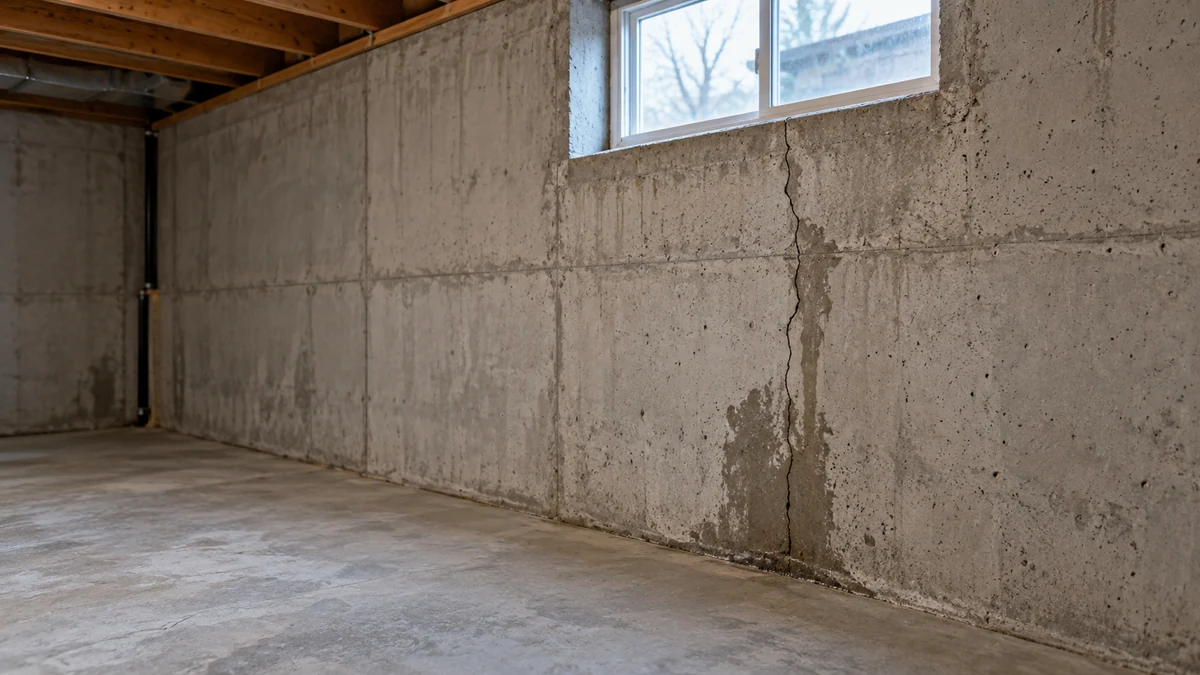
This guide helps Toronto and GTA homeowners record the evidence safely, prepare for an assessment and understand what a basement-leak quotation covers.
Why is my basement leaking after rain?
Rain may expose a water-entry problem, but its timing does not identify the route on its own. Toronto’s basement-flooding guidance identifies foundation openings, drainage failures and sewer backups among the possible causes. The assessment should establish which explanation fits your property rather than assuming that every rain-related leak requires the same repair.
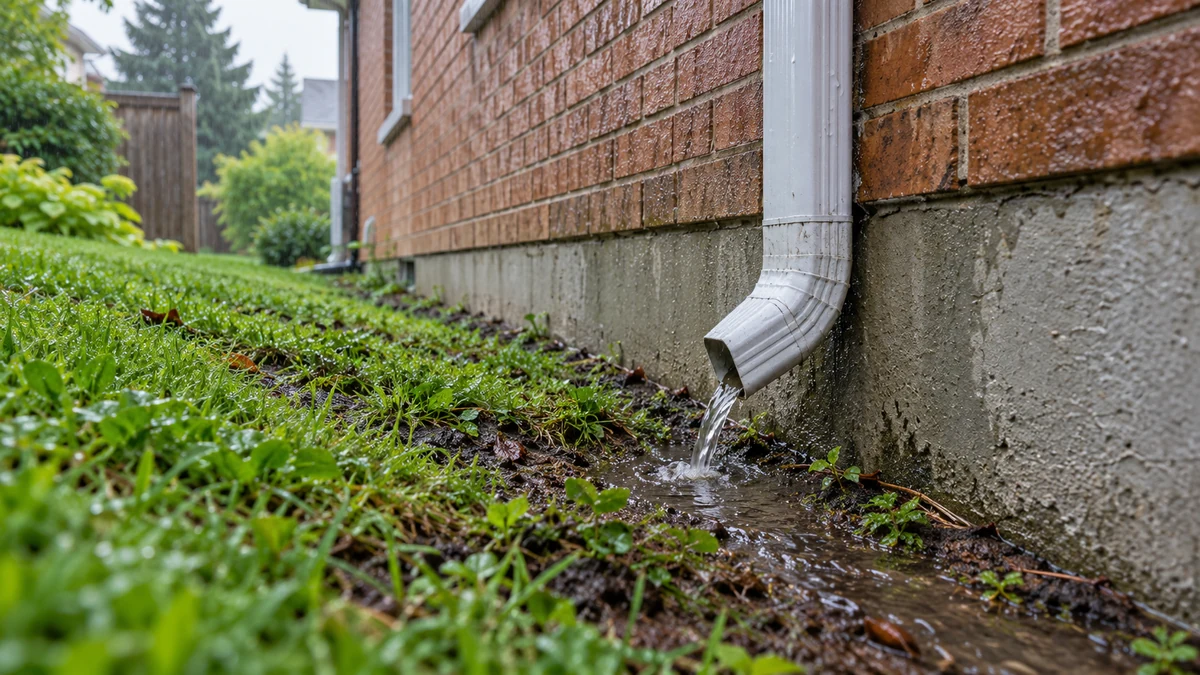
Consider the outdoor water route as well as the indoor symptom. Toronto’s prevention guidance recommends keeping roof drainage clear and directing runoff away from the foundation. A downspout beside the affected wall is something to include in the assessment, not proof that it explains the leak.
Separate observations from conclusions
Keep the distinction between an observation and a conclusion clear. “The floor was wet beside the back wall after the storm” describes what happened. “The entire foundation has failed” is a diagnosis that observation does not establish.
Likewise, finding a visible crack gives the assessor something specific to examine; it does not tell you whether that crack explains all the moisture. Ask the person assessing the basement to show you which observations support the proposed repair and which questions remain unanswered.
For an initial enquiry, describe:
- The symptom: one damp trail, a recurring wet corner, water near a window, or a larger flooding event.
- The history: whether it has happened before and whether anyone previously worked on the affected area.
You do not need to name the repair method before contacting a contractor.
What should you do first when you find water?
Deal with safety before investigating the leak. Keep children and pets away from the affected area.
- Electrical risk: stay out of standing water where electrical safety is uncertain. Do not cross water to reach a breaker panel or electrical equipment.
- Water near electrics: Toronto advises contacting Toronto Hydro if water is near the electrical panel or above outlets.
- Possible sewage: avoid contact with suspected sewage-contaminated water and arrange appropriate professional help.
These safety precautions follow Toronto’s basement-flooding guidance.[1] In Toronto, basement flooding can also be reported to 311; elsewhere in the GTA, use the appropriate local municipal service.[1]
Once access is safe, record the incident
Start a simple incident record:
- Note the date, room and location where you first noticed water.
- Take a wide photograph of the location and a closer photograph of the visible symptom, without disturbing unsafe materials.
- Keep photographs from separate rain events in separate dated folders.
Health Canada’s moisture and mould guidance advises addressing moisture promptly and correcting its cause; hidden dampness and mould may require professional investigation. Ask separately about clean-up and about stopping the water entry. Do not assume that a quotation for one includes the other.
For a basement leaking after rain, a useful first-call description is: “Water appeared beside this wall after the last rainfall. This is what I can see, this is what I cannot access, and these are the photographs I have.” That is more helpful than choosing a resin or waterproofing system before an assessment.
How can you describe where water is entering?
Record visible details and let the assessment establish their meaning. Your notes should identify the location, timing and previous work without assigning a cause you cannot verify. The following checklist is a way to prepare for a conversation, not a diagnostic chart.
| What you notice | What to record safely | What to ask |
|---|---|---|
| A damp trail beside a visible wall crack | Photograph the crack and the surrounding wall. | Does the evidence identify this crack as the water-entry point? |
| Moisture around a basement window | Show the window, nearby finishes and the wet area. | What needs checking around this opening before choosing a repair? |
| Water along the wall–floor junction | Identify the affected wall and the length of the wet area. | What further assessment is needed to explain this pattern? |
| Water appearing around a floor drain | Describe what you observed without contacting the water. | Does this need plumbing or municipal investigation? |
| Dampness without an obvious water trail | Note the surfaces affected and when you notice it. | How will the assessment distinguish leakage from other moisture sources? |
Add a short history: when you first noticed the issue, whether the same area became wet on earlier occasions, and whether the wall is exposed or finished. Share any previous repair paperwork you have, even when another company completed the work. Treat that paperwork as background, not proof that the present symptom has the same cause.
Be equally clear about uncertainty. “I found the puddle after work, so I did not see where it started” is useful information. There is no need to turn an incomplete observation into a confident explanation.
A simple rain-event record
Your notes about a basement leaking after rain should distinguish what you saw from what you later inferred. Keep one short entry per incident, using these prompts without entering an unsafe area or waiting for another storm:
- Timing. Record when you found the water and when you last knew the area was dry. If you were away, say so; the discovery time is not necessarily the start time.
- Location. Name the room and wall, using a fixed feature such as a window or doorway. Photograph from a similar safe position if the issue recurs, so the location is recognisable.
- Sequence. If you actually saw the water appear, describe where you first noticed it and what happened next. Keep observations about separate wet areas separate.
- Changes and actions. Note any recent work nearby, any clean-up already completed and who attended. Keep original photographs alongside your notes rather than relying on memory.
For example, an entry might read: “Saturday evening, rear storage room below the window. The floor was dry when checked that morning; a wet patch was present when I returned. I did not see water flowing from the wall.”
This is an illustrative record, not an Aftermath job report. It gives the assessor a location and a time window while leaving the cause open.
Can a leaking foundation crack be repaired from inside?
Yes, suitable cracks in poured-concrete foundation walls can be treated from inside the basement without exterior excavation. Aftermath Crack Fix provides polyurethane and epoxy injection, selected according to the assessed repair. The wall condition, access and purpose of the repair determine whether that approach fits.
Crack injection means introducing repair material into the crack. Ask the contractor to explain the purpose of the proposed treatment and the conditions it is intended to address.
Drying the floor, finding a visible crack and confirming where rainwater entered are separate findings. Ask which evidence links the proposed crack repair to the wet area you observed, and whether that explanation accounts for every affected location. A stain pattern alone should not be used to settle those questions.
What about a finished basement?
Tell the assessor whether drywall, insulation, cabinets or other finishes conceal the affected area. Agree who will create the access needed to investigate or treat the wall and who will restore the finishes afterwards. Do not open a wall yourself merely to prepare an enquiry; explain what you can see and what remains concealed.
When is a different assessment needed?
A crack-injection proposal is not a substitute for appropriate investigation of suspected structural movement. Where that concern exists, ask whether a structural professional needs to assess the condition before a repair is specified. Do not rely on a photograph or a crack’s direction alone for reassurance.
The same boundary applies to other water sources. If the assessment identifies a problem beyond a suitable foundation crack, ask what additional work or specialist involvement is needed rather than stretching the injection proposal to cover it.
What should a basement-leak quotation explain?
A rain-related leak quotation should connect the proposed work to the water-entry route established at your property. It should also say which wet areas that explanation covers and what remains uncertain. This helps you distinguish a targeted crack repair from unresolved drainage, opening or plumbing questions.
Use these questions when reviewing a proposal:
- Which entry route does the evidence support? Ask what observations connect the proposed repair to the location where water entered, rather than simply identifying the nearest visible crack.
- Which wet areas does that explanation cover? If you recorded water in several places, ask whether they are all accounted for or need separate investigation.
- Is clean-up and drying separate? Confirm who handles any necessary clean-up and drying. Do not assume that a crack-repair quotation includes those services.
- Which alternative routes remain unresolved? Ask whether an opening, drainage issue or other possible source still needs investigation before the scope can be settled.
- Who handles plumbing or municipal questions? If the cause remains uncertain, clarify whether a licensed plumber or a Toronto 311 enquiry is an appropriate next step.
- Which eligible repair does the warranty cover? Match the written coverage to the specific treated crack rather than assuming every wet area is covered.
A 311 report and a crack-repair assessment can address different parts of the same incident. Toronto says its investigation checks whether flooding relates to City infrastructure; a repair quotation needs to identify the work proposed on your property.[1]
If more than one enquiry is underway, ask what remains unresolved before treating one answer as the explanation for every wet area.
For a basement leaking after rain, clarify the overall scope: “Are we agreeing to repair this identified crack, or is the proposal addressing additional water-entry issues?” Aftermath’s basement and foundation waterproofing service provides a separate starting point for discussing a broader assessed scope.
Keep warranty coverage attached to the work it actually covers. Aftermath’s lifetime warranty applies to eligible crack repairs under the applicable written terms. It should not be interpreted as a promise that no water can ever enter elsewhere in the basement, or that every waterproofing service has identical coverage.
How can you reduce repeat water problems?
Keep exterior drainage maintenance separate from the repair assessment: both may need attention, but neither should be assumed to replace the other.
Toronto’s prevention guidance recommends:[2]
- Keeping eavestroughs and downspouts clear.
- Directing discharge away from foundations without affecting neighbouring properties.
- Ensuring that grading carries water away from the house.
Arrange safe help for work you cannot inspect or maintain from an accessible position.
During Toronto’s autumn leaf fall, include the drainage route in your maintenance conversation rather than focusing only on the basement wall. Ask where roof water discharges and whether any proposed change could create a problem at a neighbouring property.
For existing pumps or drainage equipment, ask the appropriate professional about the system already installed; do not assume a crack-repair quote includes servicing it.
Humidity, drying and returning water
A dehumidifier can help manage indoor humidity, but it does not seal a crack or replace a repair to a liquid-water entry point. Health Canada distinguishes moisture-source correction from humidity control.[3] Treat improved comfort as a separate observation from whether the rain-related entry point has been addressed.
Before replacing damaged finishes, ask how the moisture issue and drying requirements have been assessed. If water returns after another rain, record the date and each affected location. Explain whether these match the previously assessed area or appear elsewhere, without assuming a shared cause.
Why Aftermath Crack Fix?
Aftermath Crack Fix serves homeowners in Toronto and the GTA with foundation crack repair and basement/foundation waterproofing. Crack-repair options include polyurethane and epoxy injection, with suitable repairs carried out from inside the basement. Request a free quotation to discuss the proposed approach before agreeing to the work.
Eligible crack repairs carry a lifetime warranty, subject to the applicable written terms. Ask for those terms with your repair information so you understand the coverage rather than relying on the headline alone.
Conclusion
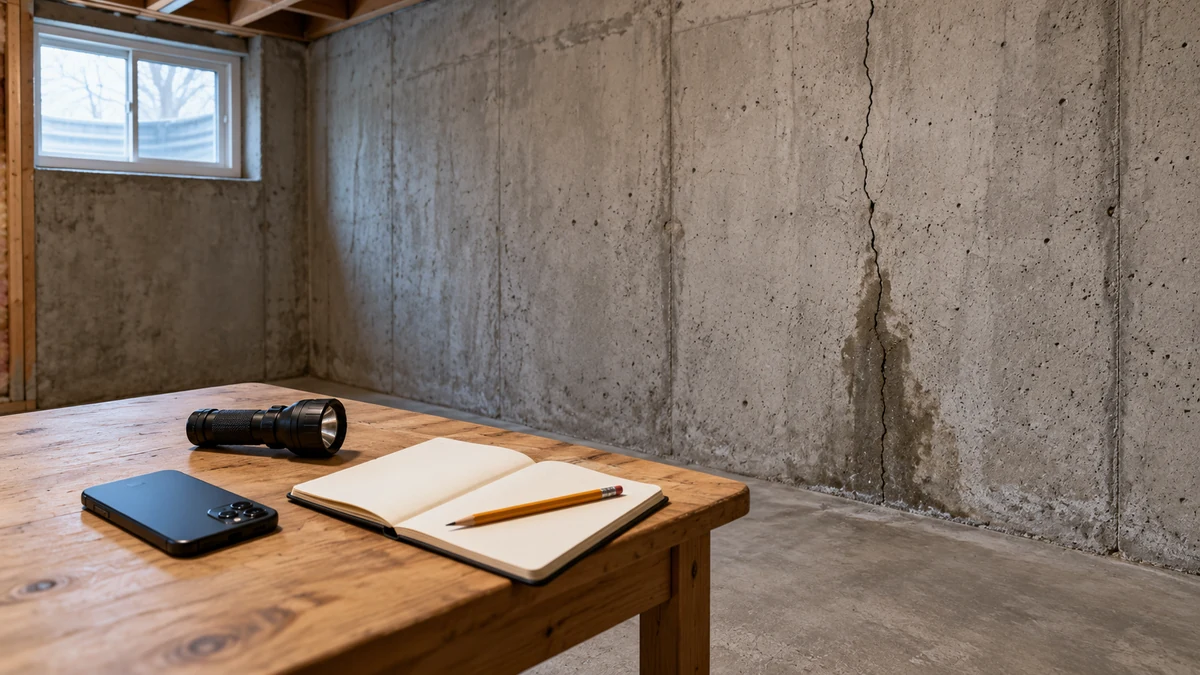
A basement leaking after rain needs an explanation of the water source before a repair is selected. Record what you can safely observe, request a clear scope, and distinguish a targeted foundation-crack repair from other water-management work. For suitable cracks, Aftermath Crack Fix can discuss an interior repair, a free quotation and the lifetime warranty applicable to eligible work.
Frequently asked questions
Why does my basement only leak during heavy rain?
Rain can expose foundation, drainage or sewer-related problems, but the timing does not establish which one is responsible.[1] Tell the assessor when it happens and where you first see water so the proposed repair follows the evidence.
Can a small foundation crack need a leak repair?
Yes, a small-looking crack can warrant assessment when water appears beside it. The visible width alone does not establish the repair scope. Ask whether the assessment identifies it as a water-entry point and whether the wall condition is suitable for the proposed treatment.
Can a leaking foundation crack be repaired without digging outside?
Suitable cracks in poured-concrete foundation walls can be repaired from inside without exterior excavation. The assessor must confirm the condition and access; that option does not apply automatically to every wall or source of basement water.
Will a dehumidifier stop a basement leak?
No. A dehumidifier manages moisture in the air, not a physical water-entry opening. Humidity control may be helpful, but a rain-related leak still needs its source addressed.[3]
Does foundation crack repair fix every basement water problem?
No. The repair addresses the agreed crack-related condition, not every possible source of water. Ask the contractor to distinguish the specific repair from any additional waterproofing or specialist work the assessment identifies.
Does Aftermath Crack Fix offer a lifetime warranty?
Yes, eligible crack repairs carry a lifetime warranty, subject to the applicable written terms. Request the terms for your repair and confirm the scope of coverage; do not assume it extends to every waterproofing service or the entire basement.